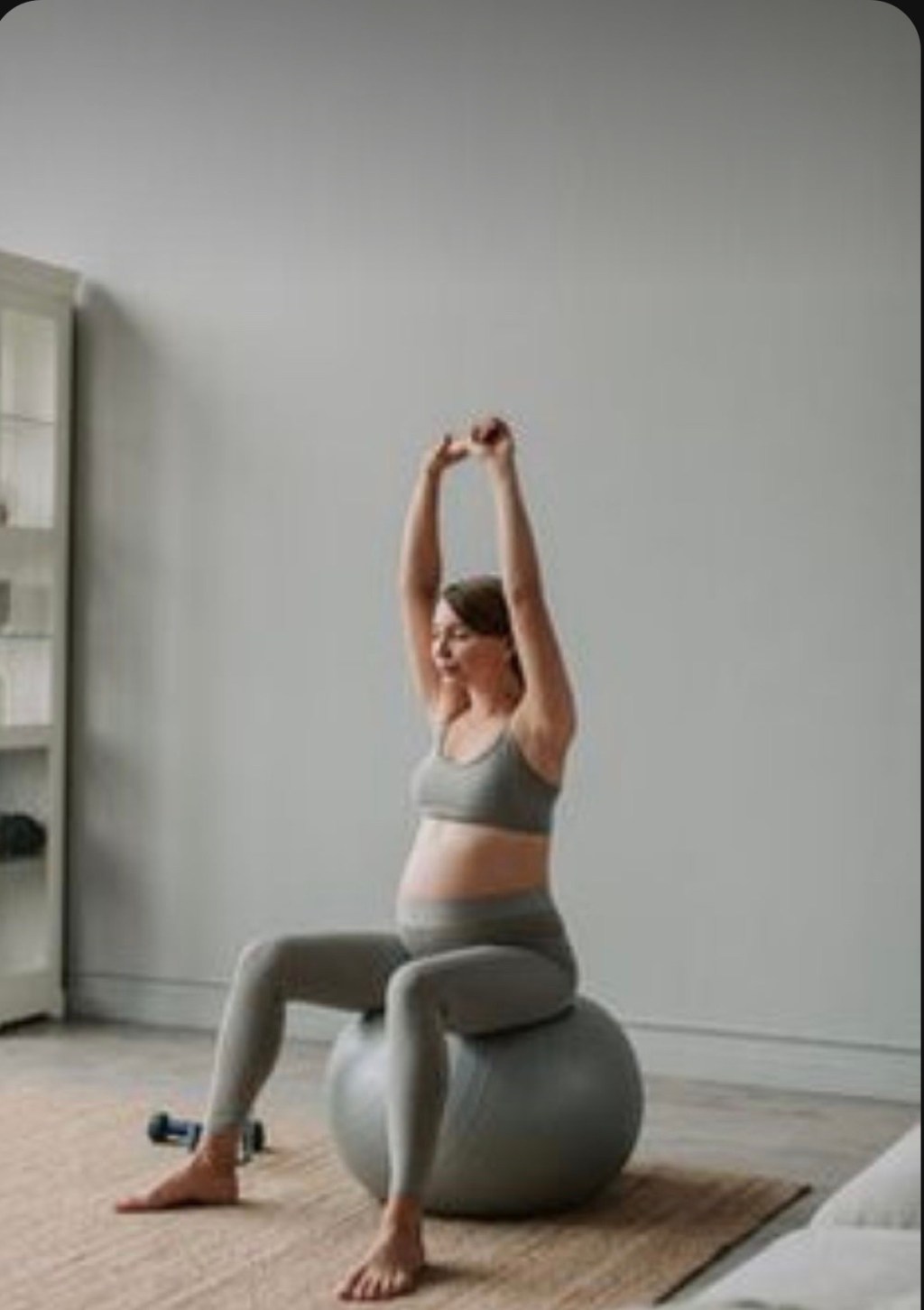
1. Improves Physical Health
• Boosts cardiovascular health: Regular exercise helps maintain heart health and improve circulation.
• Reduces gestational diabetes risk: Physical activity can lower the likelihood of developing gestational diabetes by improving insulin sensitivity.
• Promotes healthy weight gain: Exercise helps manage healthy weight gain, which is important for both maternal and fetal health.
• Prevents excessive swelling: Movement helps reduce fluid retention, which can minimize swelling in the legs and feet.
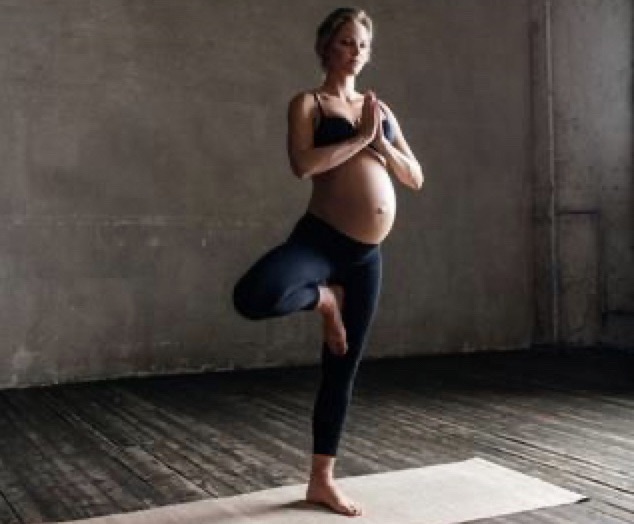
2. Mental Health Benefits
• Reduces stress and anxiety: Exercise stimulates the release of endorphins, which can help reduce stress and improve mood.
• Combats pregnancy-related mood swings: Physical activity can help stabilize emotions and reduce symptoms of anxiety and depression.
• Improves sleep: Regular exercise often leads to better sleep quality, which is essential during pregnancy.

3. Physical Comfort and Support
• Reduces back pain: Strengthening core and lower back muscles can help alleviate common pregnancy-related back pain.
• Improves posture and balance: Exercise strengthens muscles and improves flexibility, which can help support a changing posture as pregnancy progresses.
• Increases energy levels: Regular physical activity can counteract feelings of fatigue and increase overall energy.

4. Easier Labor and Delivery
• Enhances stamina and endurance: Exercise improves overall physical fitness, which may help women better endure labor and recover more quickly after delivery.
• Helps with pelvic floor health: Strengthening pelvic muscles through targeted exercises can help prepare for labor and improve recovery afterward.
• May reduce the risk of complications: Active pregnancies are linked to a lower risk of preeclampsia, cesarean section, and excessive weight gain.

5. Postpartum Recovery
• Speeds up recovery: Staying active during pregnancy may help the body bounce back more quickly after childbirth.
• Improves muscle tone and strength: Postpartum exercise helps regain muscle tone, particularly in the abdomen and pelvic floor, and can help with regaining pre-pregnancy fitness levels.

6. Supports Baby’s Health
• Improves blood flow to the placenta: Regular exercise can enhance circulation, promoting optimal nutrient delivery to the developing baby.
• May reduce the risk of premature birth: Some studies suggest that moderate exercise can reduce the likelihood of preterm labor.
References
1. ACOG (American College of Obstetricians and Gynecologists). Exercise During Pregnancy. American College of Obstetricians and Gynecologists, 2020.
2. Clapp, J. F., & Capeless, E. L. Exercise in Pregnancy: A Clinical Approach. 2nd ed., McGraw-Hill, 2012.
Journal Articles:
3. Artal, R., & O’Toole, M. “Guidelines of the American College of Obstetricians and Gynecologists for Exercise During Pregnancy and the Postpartum Period.” British Journal of Sports Medicine, vol. 44, no. 1, 2010, pp. 65-70.
4. Davenport, M. H., Ruchat, S. M., & Mottola, M. F. “Nutritional and Exercise Interventions in Gestational Diabetes Mellitus.” Journal of Obstetrics and Gynaecology Canada, vol. 34, no. 9, 2012, pp. 875-883.
5. Hegaard, H. K., et al. “Effect of Exercise on Gestational Diabetes: A Systematic Review and Meta-Analysis.” Acta Obstetricia et Gynecologica Scandinavica, vol. 90, no. 2, 2011, pp. 220-228.
6. Mayo Clinic. Exercise During Pregnancy: What’s Safe, What’s Not. Mayo Foundation for Medical Education and Research, 2023, www.mayoclinic.org.
7. American Pregnancy Association. Exercise and Physical Activity During Pregnancy. American Pregnancy Association, 2023, www.americanpregnancy.org.
Government and Medical Organization Reports:
8. U.S. Department of Health and Human Services. Physical Activity Guidelines for Americans, 2nd Edition. U.S. Department of Health and Human Services, 2018.
9. World Health Organization (WHO). Physical Activity and Pregnancy: A Review of the Evidence. WHO, 2019, www.who.int.
 Pilates during pregnancy