During pregnancy, certain muscle groups are particularly important to focus on for maintaining stability, supporting the growing body, and preparing for labor and delivery. Here are the key muscles to work on during pregnancy:
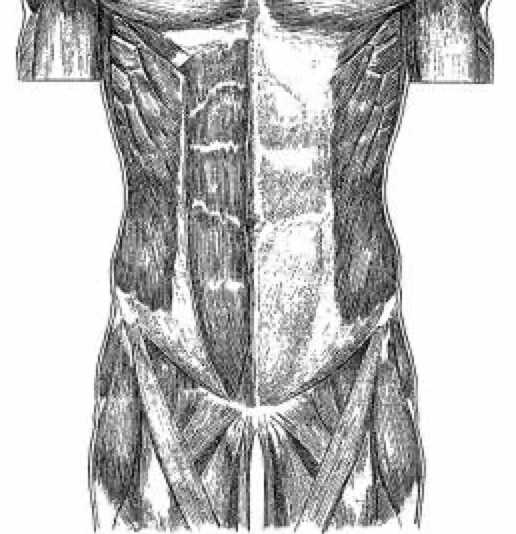
1. Core Muscles (Abdominals, Obliques, Transverse Abdominis)
• Why Important: The core muscles play a key role in supporting the spine and pelvis, maintaining posture, and stabilizing the body as the center of gravity shifts with the growing belly. Strengthening the core also helps prevent back pain and discomfort.
• What to Work On:
• Transverse Abdominis (deep core muscles)
• Rectus Abdominis (the “six-pack” muscles)
• Obliques (side abdominal muscles)
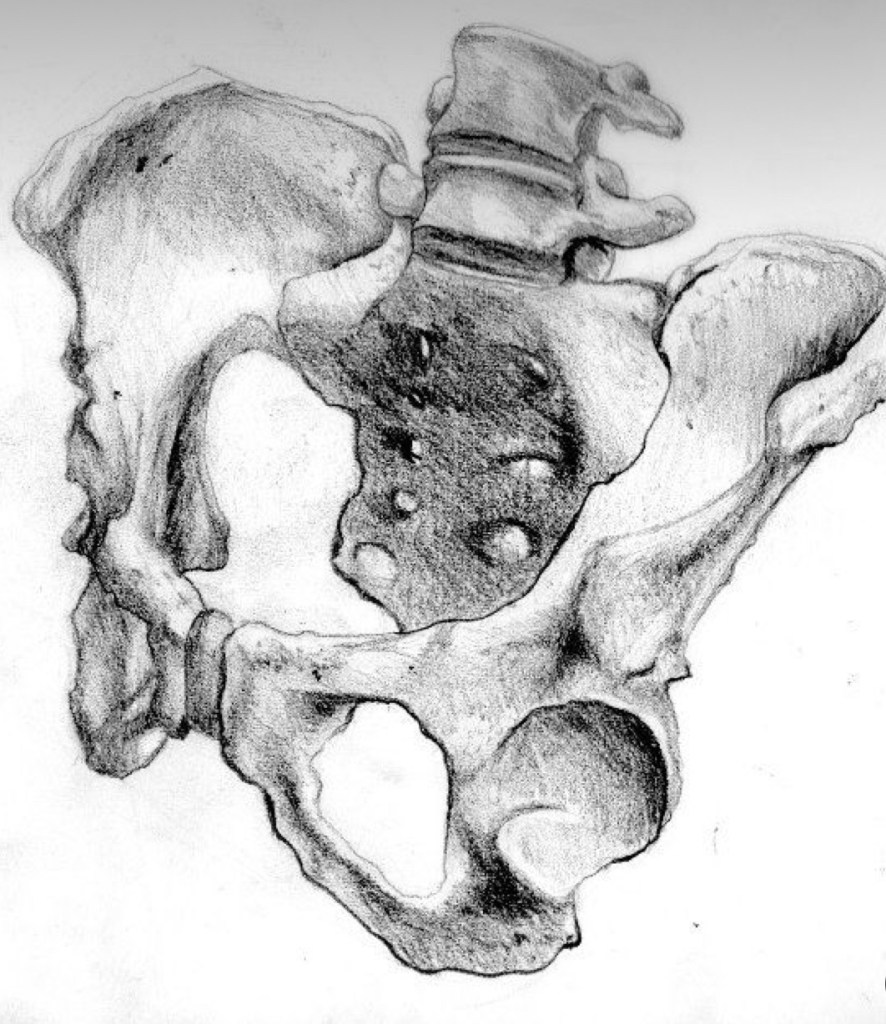
2. Pelvic Floor Muscles
• Why Important: The pelvic floor supports the bladder, uterus, and bowels. Strengthening these muscles helps prevent urinary incontinence, supports the growing baby, and improves recovery after childbirth.
• What to Work On:
• Kegel exercises (targeting the pelvic floor)
• Gentle pelvic tilts and pelvic floor lifts
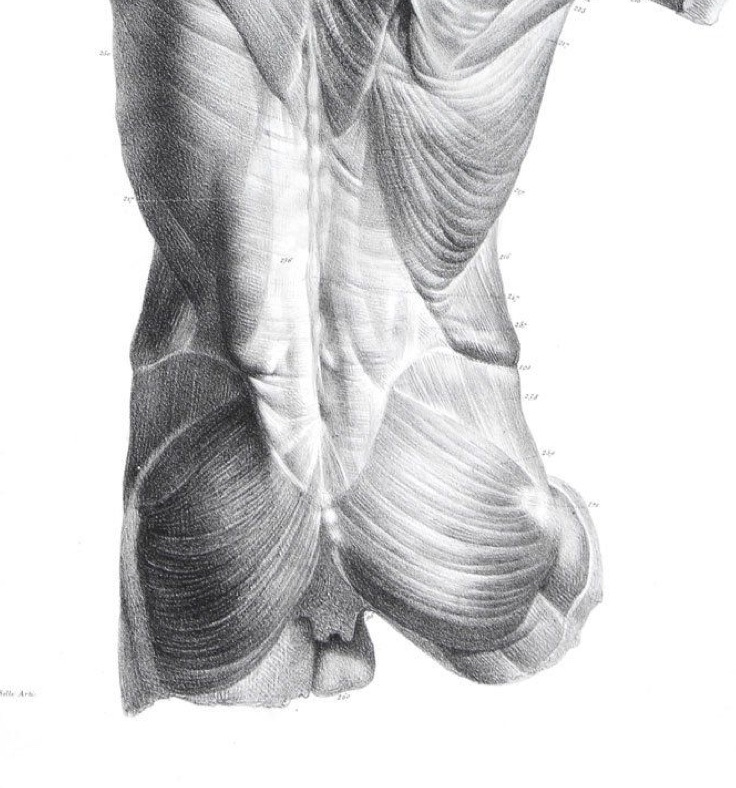
3. Lower Back Muscles
• Why Important: As the pregnancy progresses, weight gain and postural changes often result in lower back pain. Strengthening the lower back muscles can help improve posture, alleviate pain, and reduce strain on the spine.
• What to Work On:
• Erector Spinae (lower back muscles)
• Glutes and hamstrings (help stabilize the pelvis and reduce strain on the lower back)
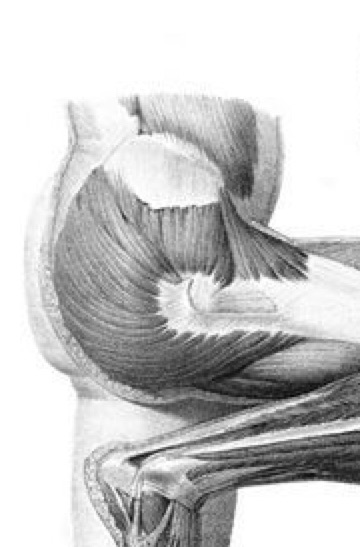
4. Hip and Glute Muscles
• Why Important: Strong hips and glutes help stabilize the pelvis, maintain proper posture, and support the weight of the growing belly. They also assist in labor and delivery by aiding in pushing and stabilizing the pelvis.
• What to Work On:
• Gluteus Medius and Gluteus Maximus
• Hip abductors and adductors (inner and outer thigh muscles)
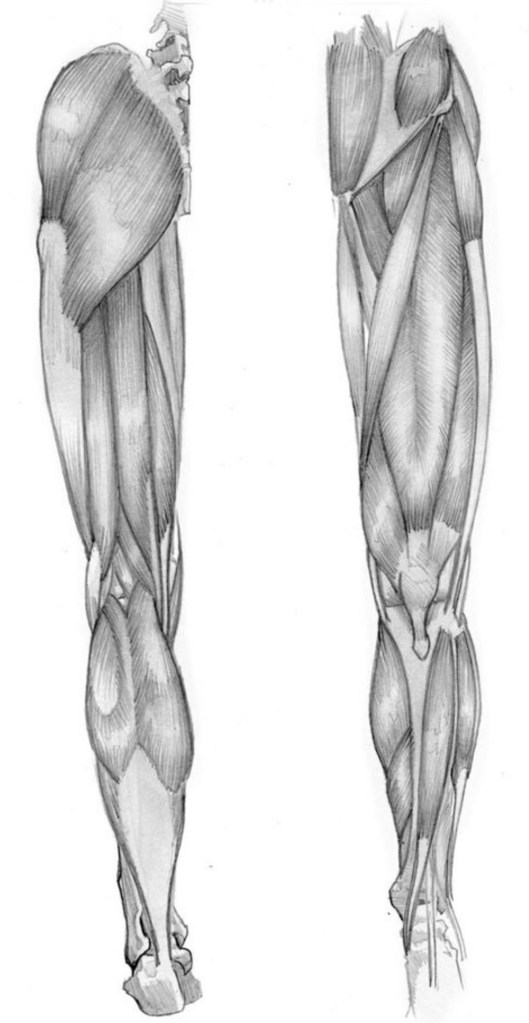
5. Leg Muscles (Quadriceps, Hamstrings, Calves)
• Why Important: Strengthening the legs helps with mobility, stability, and endurance, which is important as pregnancy progresses. It also supports better circulation, reducing swelling and the risk of varicose veins.
• What to Work On:
• Quadriceps (front of the thighs)
• Hamstrings (back of the thighs)
• Calf muscles (help with circulation)
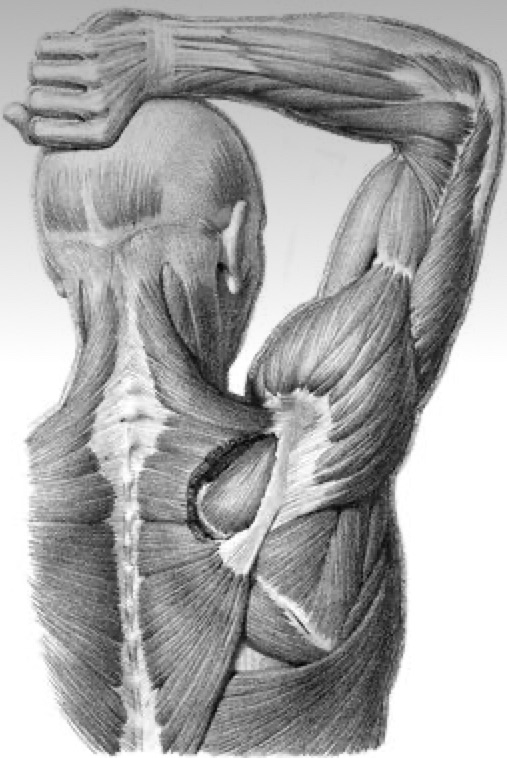
6. Shoulder and Upper Back Muscles
• Why Important: As the body adapts to the changing posture and added weight, tension often accumulates in the shoulders and upper back. Strengthening these areas can help alleviate neck and shoulder discomfort.
• What to Work On:
• Trapezius
• Rhomboids
• Latissimus Dorsi (muscles along the back)
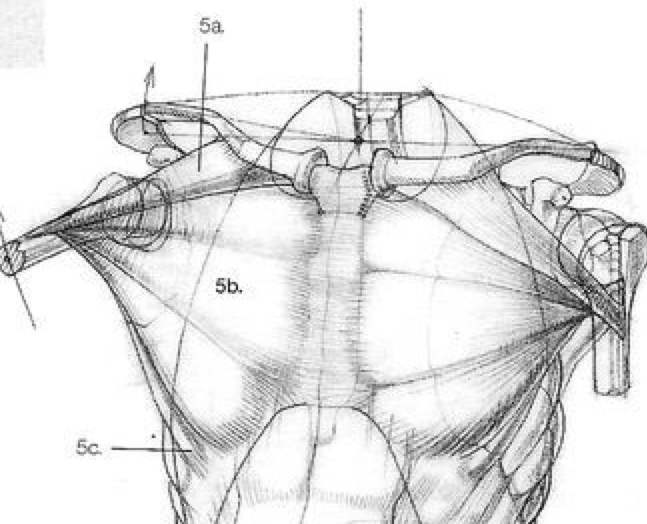
7. Chest and Upper Body Muscles
• Why Important: Upper body strength can be helpful for posture, especially as the breast tissue changes and the chest becomes more forward-tilted. Strengthening these muscles can also support the physical demands of carrying and nursing the baby.
• What to Work On:
• Pectorals (chest muscles)
• Deltoids (shoulders)
Key Benefits of Focusing on These Muscles During Pregnancy:
• Reduced Back and Joint Pain: Strengthening the core, back, and pelvic muscles can alleviate pain caused by pregnancy-related changes in posture and joint laxity.
• Improved Posture: Pregnancy shifts your center of gravity. Strengthening key muscles helps maintain proper posture, reducing strain on the back and shoulders.
• Better Balance and Stability: Stronger hip, core, and leg muscles help you maintain balance as your body changes.
• Enhanced Labor and Delivery: Pelvic floor and core strength can improve endurance during labor and help facilitate pushing.
• Faster Postpartum Recovery: Strengthening muscles during pregnancy can help your body recover more quickly after birth.
Focusing on these muscle groups through safe, low-impact exercises like Pilates, can help you stay strong, comfortable, and prepared for childbirth. Always consult your healthcare provider before starting any exercise program during pregnancy.
References
1. ACOG (American College of Obstetricians and Gynecologists). Exercise During Pregnancy. 2020.
2. Clapp, J. F., & Capeless, E. L. Exercise in Pregnancy: A Clinical Approach. 2nd ed., McGraw-Hill, 2012.
Journal Articles:
3. Artal, R., & O’Toole, M. “Guidelines for Exercise During Pregnancy.” British Journal of Sports Medicine, 2010.
4. Davenport, M. H., et al. “Exercise in Gestational Diabetes.” Journal of Obstetrics and Gynaecology Canada, 2012.
5. Hegaard, H. K., et al. “Exercise and Gestational Diabetes: A Meta-Analysis.” Acta Obstetricia et Gynecologica Scandinavica, 2011.
Websites:
6. Mayo Clinic. Exercise During Pregnancy: What’s Safe, What’s Not. mayoclinic.org.
7. American Pregnancy Association. Exercise During Pregnancy. americanpregnancy.org.
Reports:
8. U.S. Department of Health and Human Services. Physical Activity Guidelines for Americans, 2nd Edition, 2018.
9. World Health Organization (WHO). Physical Activity and Pregnancy, 2019. who.int.
These references highlight the importance of strengthening key muscles during pregnancy, including the core, pelvic floor, and back.
 Pilates during pregnancy