Pilates is one of the best exercises during pregnancy because it offers a balanced approach to strength, flexibility, and relaxation. Its focus on core stability, pelvic floor strength, posture, and breathing makes it an ideal choice for maintaining physical and mental health throughout pregnancy. Additionally, its low-impact nature and adaptability to each trimester make it a safe and effective way to stay fit during pregnancy, promote overall well-being, and prepare for labor.
Pilates is often considered one of the best exercises during pregnancy for several reasons. Its focus on core strength, flexibility, breathing, and body awareness can help expectant mothers navigate the physical and emotional challenges of pregnancy while supporting overall well-being. Here are some key reasons why Pilates is particularly beneficial during pregnancy:
1. Strengthens the Core Muscles
• Targeted Core Work: Pilates emphasizes the deep muscles of the core, including the pelvic floor, abdominals, and lower back muscles. Strengthening these muscles can help support the growing belly and improve posture, which is important as pregnancy progresses and the body undergoes various physical changes.
• Prevents Back Pain: As the baby grows, many women experience back pain. Pilates helps alleviate this by strengthening the muscles that support the spine and pelvis, reducing strain and discomfort.
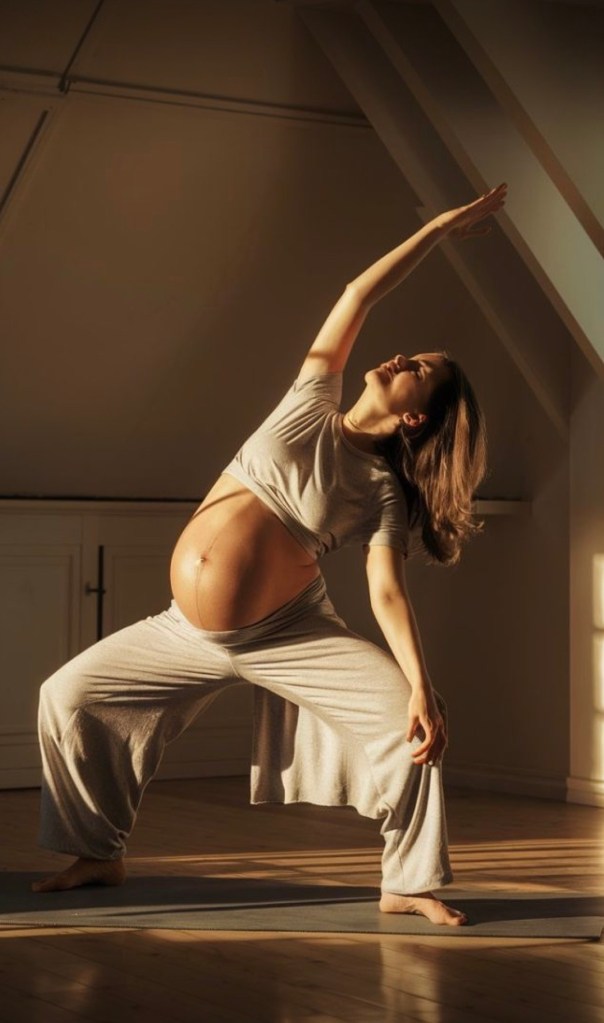
2. Improves Pelvic Floor Strength
• Supports the Pelvic Floor: Pilates exercises focus on strengthening the pelvic floor muscles, which is essential for preventing issues like urinary incontinence, a common concern during pregnancy. A strong pelvic floor also supports labor and delivery, making the pushing phase potentially easier.
• Helps with Postpartum Recovery: Strengthening the pelvic floor during pregnancy can help with recovery after childbirth, reducing the risk of pelvic organ prolapse and improving recovery of bladder control.
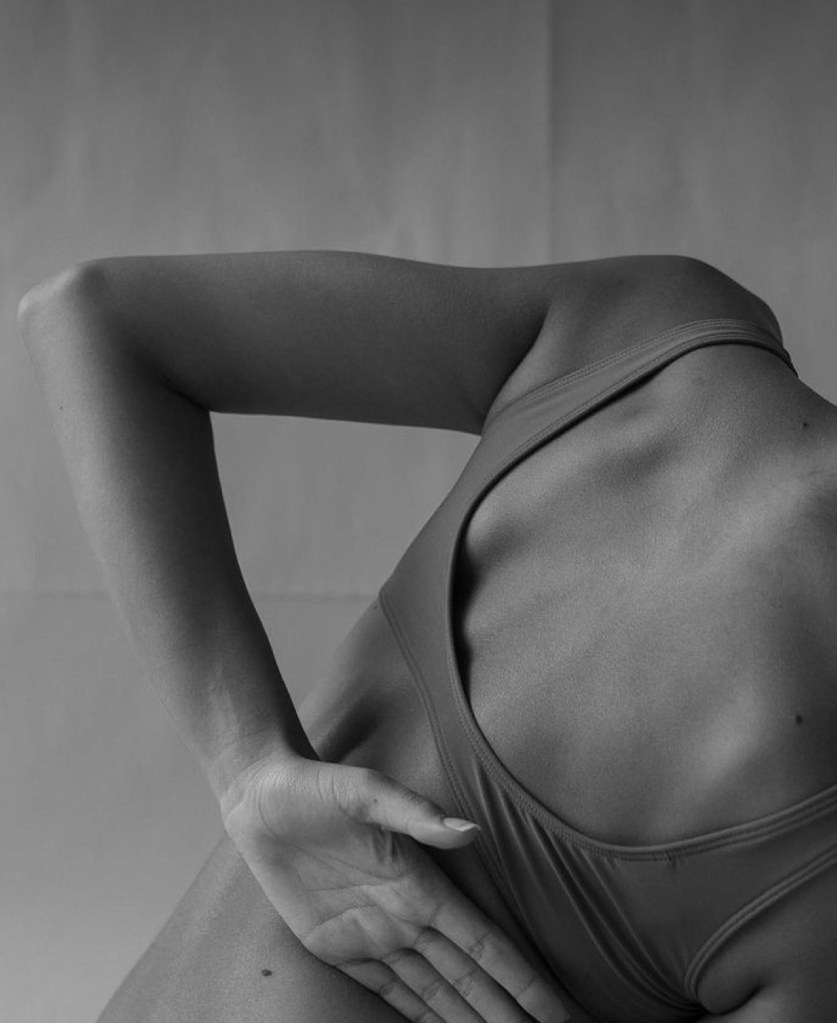
3. Enhances Flexibility and Mobility
• Increases Flexibility: Pregnancy can cause muscles to tighten, especially in the hips, lower back, and shoulders. Pilates promotes flexibility, which can help ease tightness and tension, improving overall comfort during pregnancy.
• Improves Joint Mobility: The gentle movements in Pilates improve joint range of motion, which is helpful as the body produces the hormone relaxin during pregnancy, which softens ligaments and joints to prepare for labor.
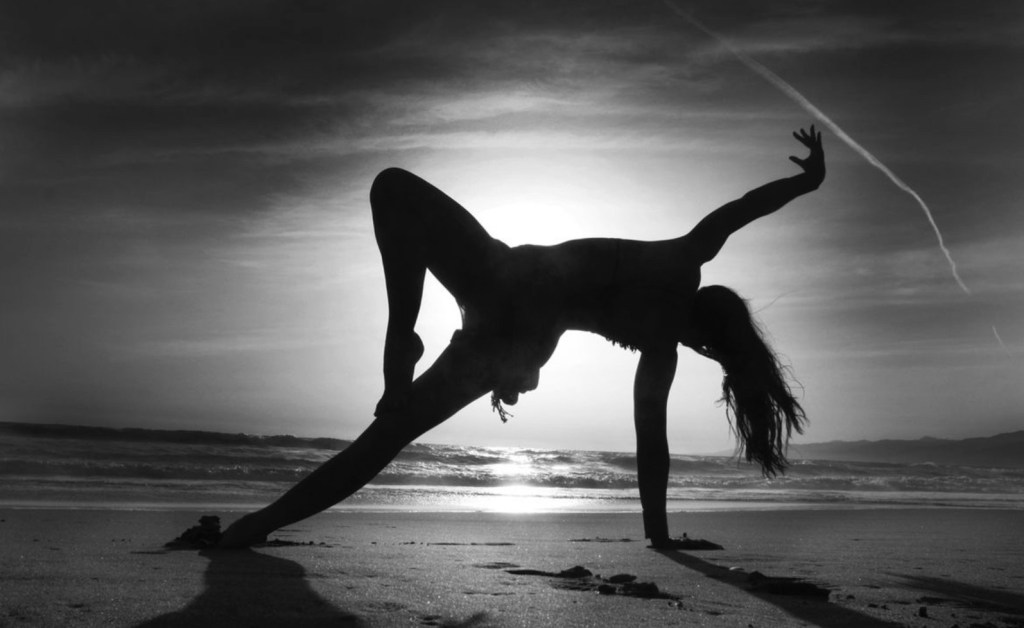
4. Promotes Better Posture
• Postural Awareness: As pregnancy progresses, a woman’s center of gravity shifts, which can lead to poor posture and discomfort. Pilates helps improve body alignment and posture by strengthening the muscles that support the spine, reducing the risk of slumping or over-arching the lower back.
• Reduces Neck and Shoulder Tension: The emphasis on proper alignment in Pilates can help reduce neck and shoulder tension, which many pregnant women experience from changes in posture and the extra weight of the belly.

5. Breathing and Relaxation
• Breathing Techniques: Pilates emphasizes deep, controlled breathing, which can help manage stress and anxiety during pregnancy. Practicing deep breathing also prepares women for labor, as controlled breathing can be a useful tool during contractions.
• Relaxation: Pilates encourages relaxation through mindful movement, helping to calm the nervous system. It can reduce the levels of stress hormones, promoting emotional well-being.
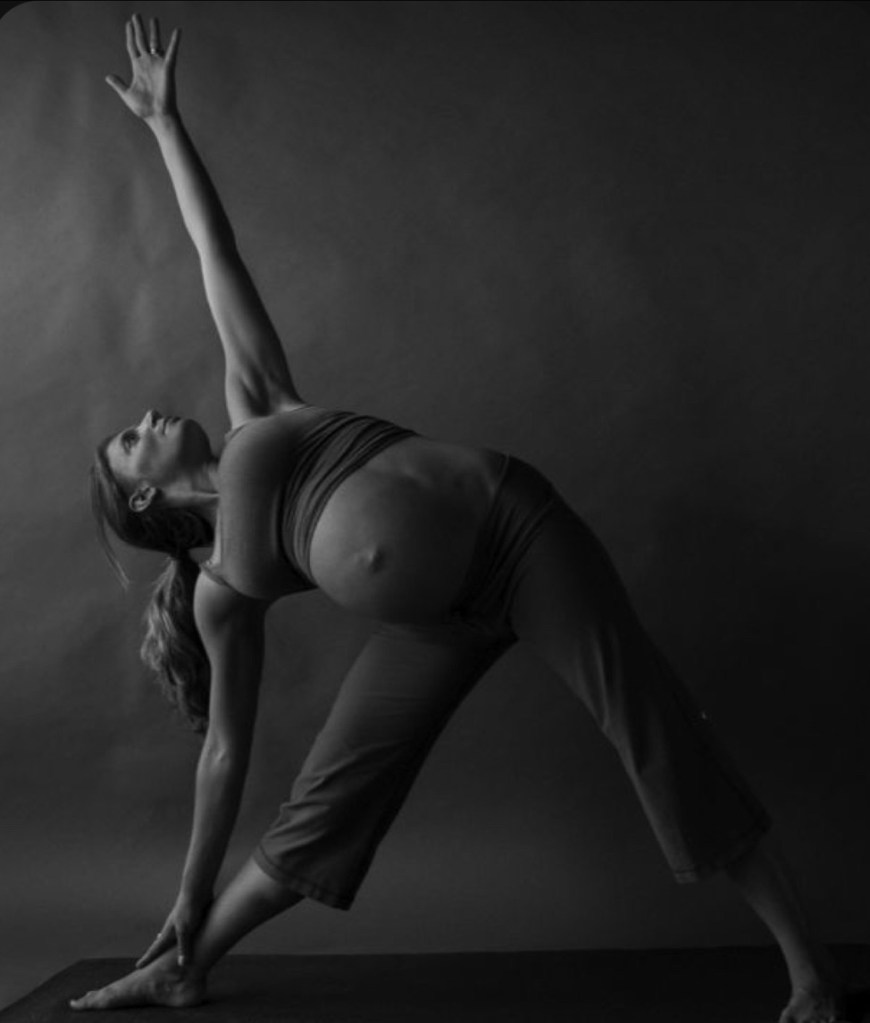
6. Low-Impact, Safe Exercise
• Gentle on the Body: Pilates is a low-impact exercise, which makes it safe for most pregnant women, especially those who are experiencing joint pain, swelling, or other pregnancy-related discomforts. The exercises are designed to be gentle yet effective.
• Adaptable to Each Stage: Pilates is highly adaptable, allowing exercises to be modified based on the trimester or the specific needs of the pregnant woman. For instance, exercises can be done while seated or lying on the side to accommodate a growing belly or to avoid pressure on the lower back.

7. Improves Balance and Stability
• Improves Balance: As pregnancy progresses, women may experience changes in balance due to the growing belly and shifting center of gravity. Pilates strengthens the stabilizing muscles around the torso and pelvis, helping to improve balance and reduce the risk of falls.
• Supports Functional Movement: Pilates promotes functional movement patterns, making daily activities like walking, bending, and carrying easier and less strenuous, which is especially important in the later stages of pregnancy.
8. May Help with Labor and Delivery
• Preparation for Labor: Pilates can help improve stamina, flexibility, and strength, all of which are important for a smoother labor and delivery. By strengthening the core and pelvic floor, Pilates helps women push more effectively during labor.
• Breathing Techniques for Labor: The breathing techniques learned in Pilates can also help women manage pain and stay relaxed during labor. Pilates encourages controlled breathing, which is often used in natural childbirth techniques.

9. Supports Mental Well-being
• Reduces Anxiety and Stress: Regular Pilates practice can help reduce the symptoms of pregnancy-related anxiety and stress by promoting relaxation and mindfulness. It offers a mental break from the physical demands of pregnancy, helping women to feel more grounded and centered.
References
1. Clapp, J. F., & Capeless, E. L. Exercise in Pregnancy: A Clinical Approach. 2nd ed., McGraw-Hill, 2012.
2. ACOG (American College of Obstetricians and Gynecologists). Exercise During Pregnancy. American College of Obstetricians and Gynecologists, 2020.
Journal Articles:
3. Artal, R., & O’Toole, M. “Guidelines for Exercise During Pregnancy.” British Journal of Sports Medicine, vol. 44, no. 1, 2010, pp. 65-70.
4. Davenport, M. H., et al. “Exercise Interventions in Gestational Diabetes.” Journal of Obstetrics and Gynaecology Canada, vol. 34, no. 9, 2012, pp. 875-883.
Websites:
5. American Pregnancy Association. Exercise During Pregnancy, 2023. http://www.americanpregnancy.org.
6. Mayo Clinic. Exercise During Pregnancy: What’s Safe, What’s Not, 2023. http://www.mayoclinic.org.
Reports:
7. U.S. Department of Health and Human Services. Physical Activity Guidelines for Americans, 2nd Edition, 2018. http://www.health.gov.
8. World Health Organization (WHO). Physical Activity and Pregnancy, 2019. http://www.who.int.
 Pilates during pregnancy