Consulting a professional reduces risks and helps you stay safe while maintaining an active pregnancy. Before you exercise it is important to consult a for many reasons:
1. Personalized Advice: A professional can assess your health and provide tailored recommendations, ensuring exercises are safe based on your individual pregnancy and any complications.

2. Safety for You and Baby: Pregnancy changes your body, and some exercises can put you or the baby at risk. A professional can help you avoid movements that could cause harm, like those that compress the vena cava or strain the pelvic floor.
3. Avoiding Overexertion: Pregnancy impacts endurance and physical abilities. A professional can guide you on how to exercise safely without overexerting yourself or causing discomfort.

4. Posture and Alignment: Pregnancy changes your center of gravity, which can affect posture. A professional can suggest exercises to improve alignment and prevent back or hip pain.
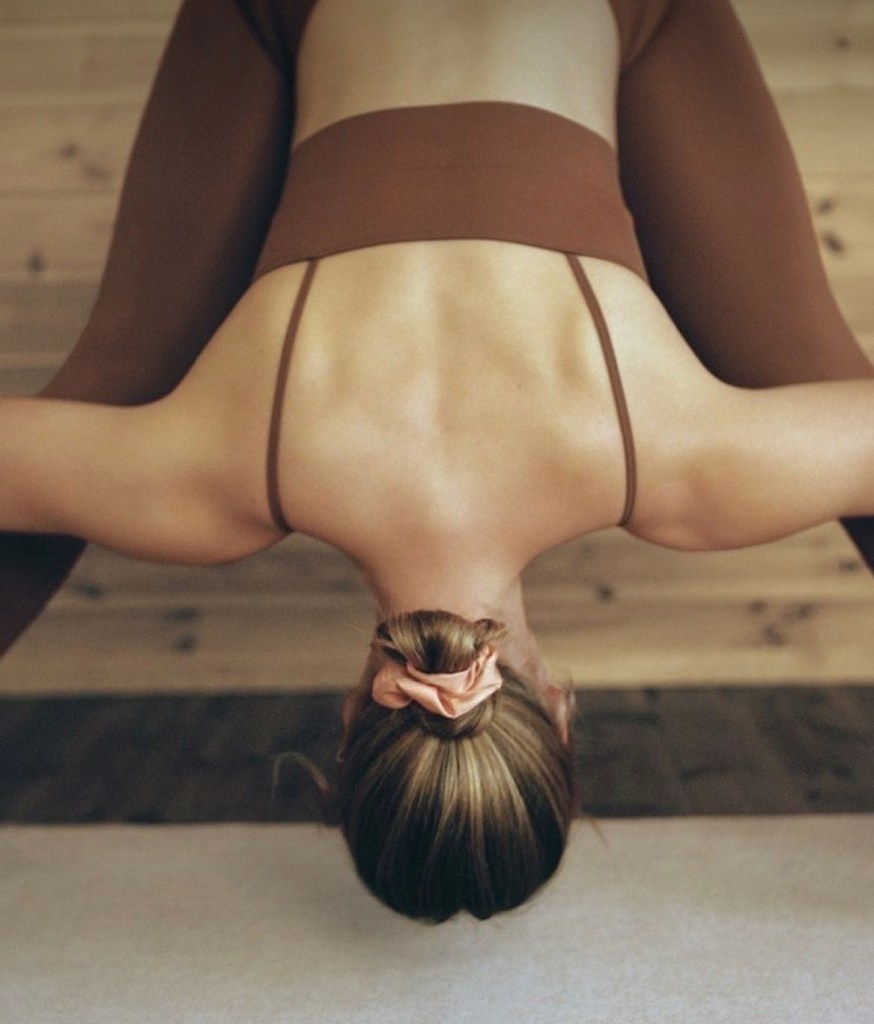
5. Pelvic Floor and Core Health: Certain exercises may put strain on the pelvic floor. A professional can recommend movements that strengthen the core and pelvic floor muscles, preventing issues like incontinence or diastasis recti.

6. Confidence and Peace of Mind: Knowing you’re following a safe, effective routine gives you confidence and ensures you’re doing what’s best for your health and the baby.
We know hat every body is different, in consequence every pregnancy is unique, but this are some general things that you should avoid during your pregnancy and what to do instead.
Doo and don’ts
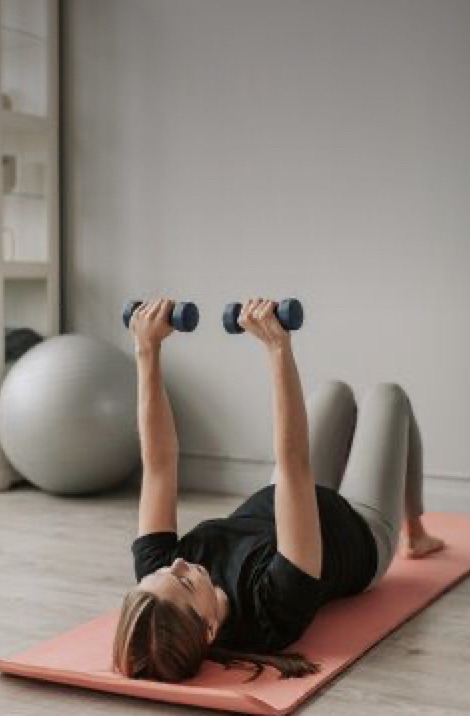
1. Lying on Your Back (After the First Trimester)
• Why to avoid: After the first trimester, lying flat on your back can compress the vena cava, a major vein that returns blood from the lower body to the heart. This can reduce blood flow to both the baby (in pregnancy) and the heart, causing dizziness or lightheadedness.
• Modifications:
• Perform exercises in a side-lying position or seated.
• Use props to slightly elevate the upper body.
• Switch to exercises like kneeling, standing, or on all fours.
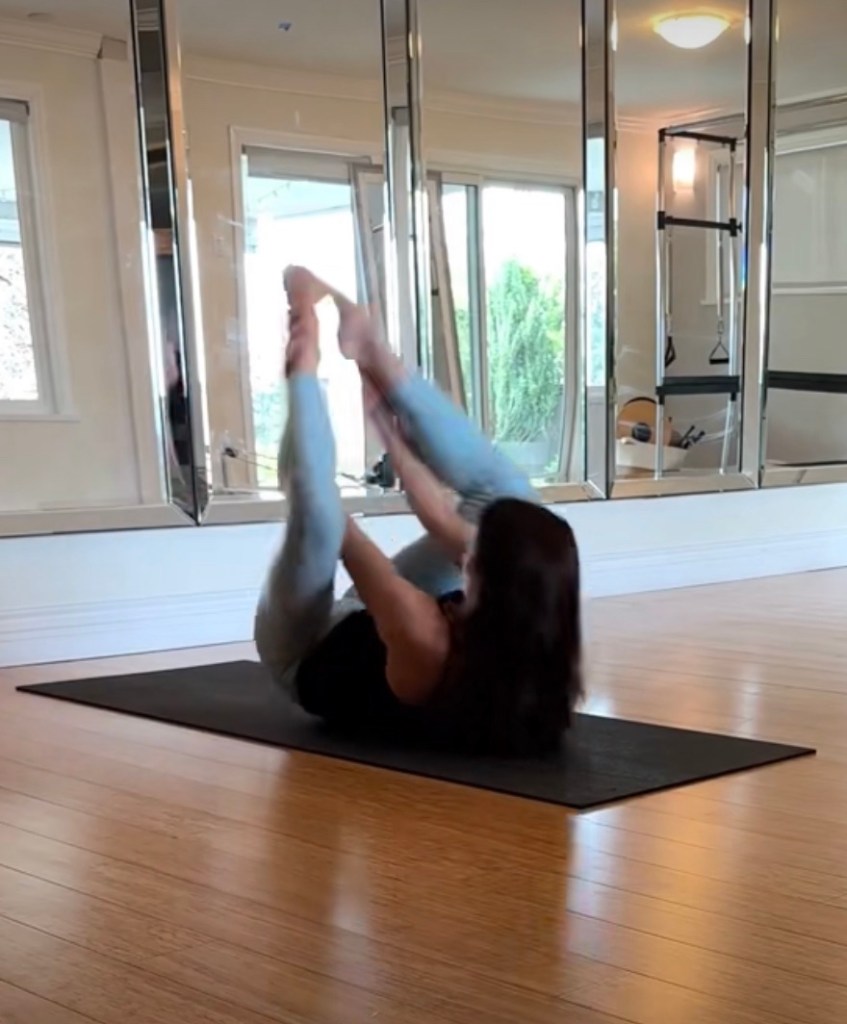
2. Abdominal Crunches / Sit-ups
• Why to avoid: Traditional abdominal exercises like crunches put strain on the rectus abdominis, increasing the risk of diastasis recti (abdominal separation). These exercises also cause increased pressure on the lower back and pelvic floor.
• Modifications:
• Focus on strengthening the transverse abdominis (deep core muscles) using gentle exercises like pelvic tilts, cat-cow stretches, or seated core activation.
• Practice modified planks (on the knees) or side-lying core exercises.
• Use deep breathing to engage the core without overloading it.
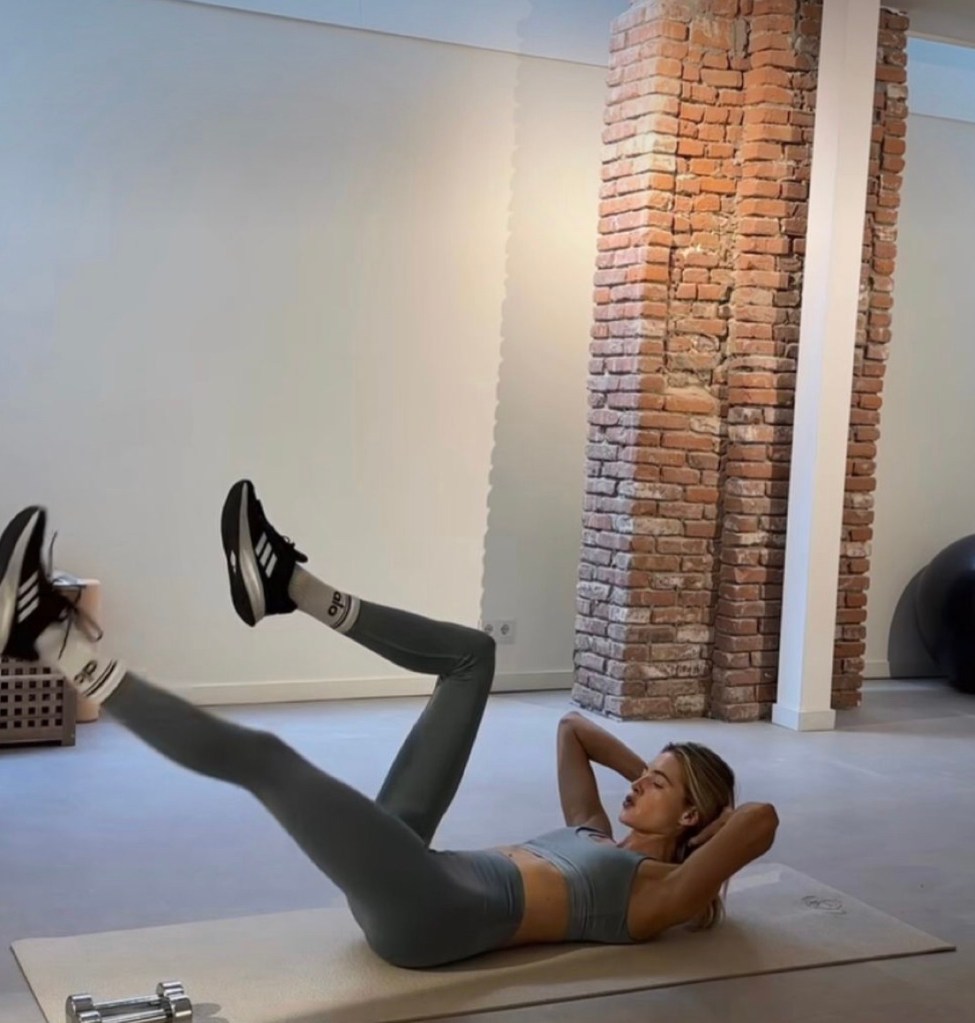
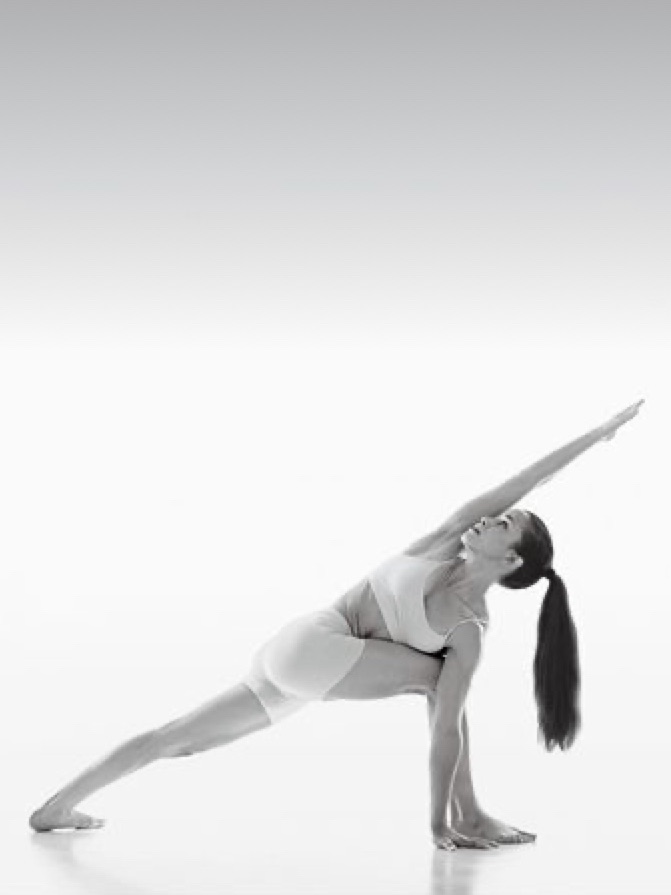
3. Deep Twists
• Why to avoid: Deep spinal rotations can place strain on the spine, abdominal muscles, and internal organs. This is particularly concerning in pregnancy when there’s increased flexibility and a growing belly.
• Modifications:
• Perform gentle spinal twists that do not involve forceful or deep rotations. Keep the twists small and controlled.
• Seated rotations with a focus on mobility (not force) are safer alternatives.
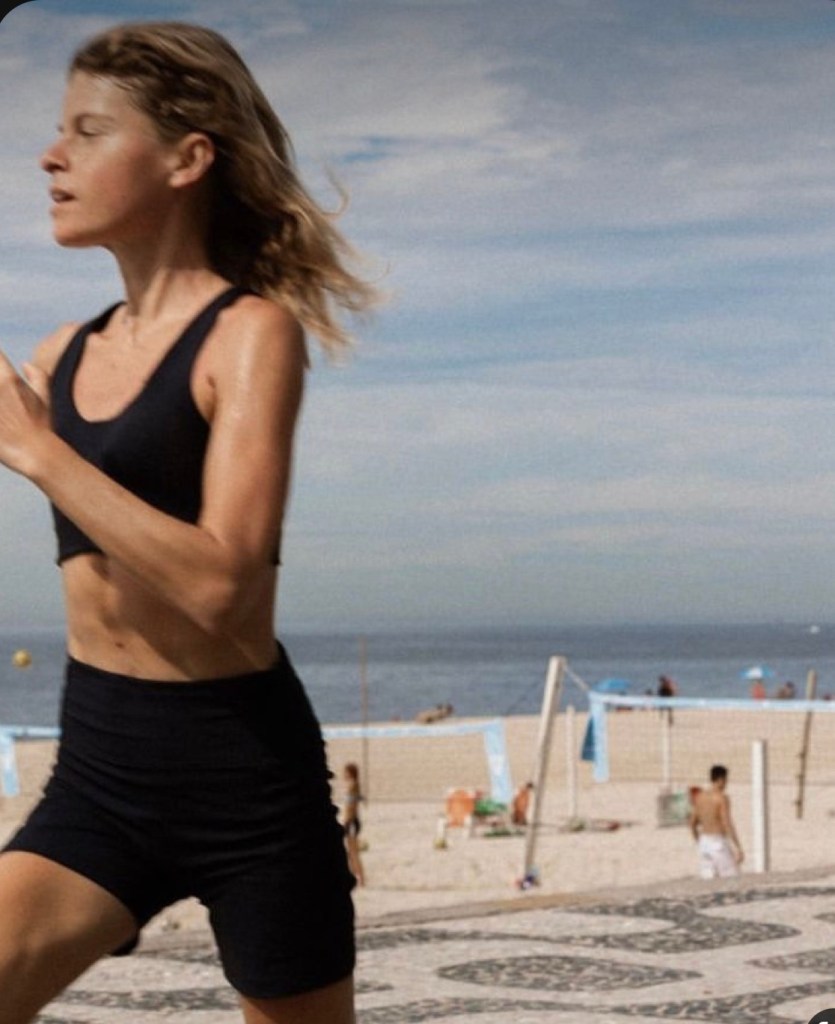
4. High-Impact Movements (Jumping, Running)
• Why to avoid: High-impact exercises increase the risk of joint strain, falling, or injury. Pregnant women, individuals with joint issues, or those new to Pilates should avoid these movements as they can cause instability.
• Modifications:
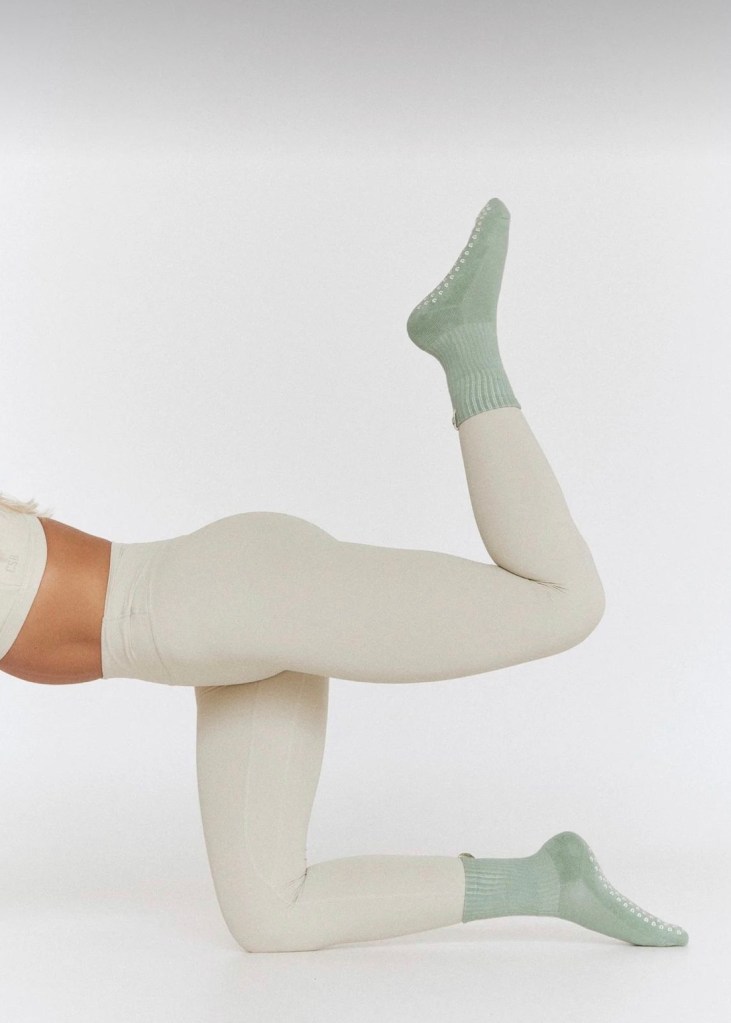
• Focus on slow, controlled movements that enhance stability, such as slow lunges or leg lifts.
• Mat Pilates and low-impact exercises are generally more appropriate.
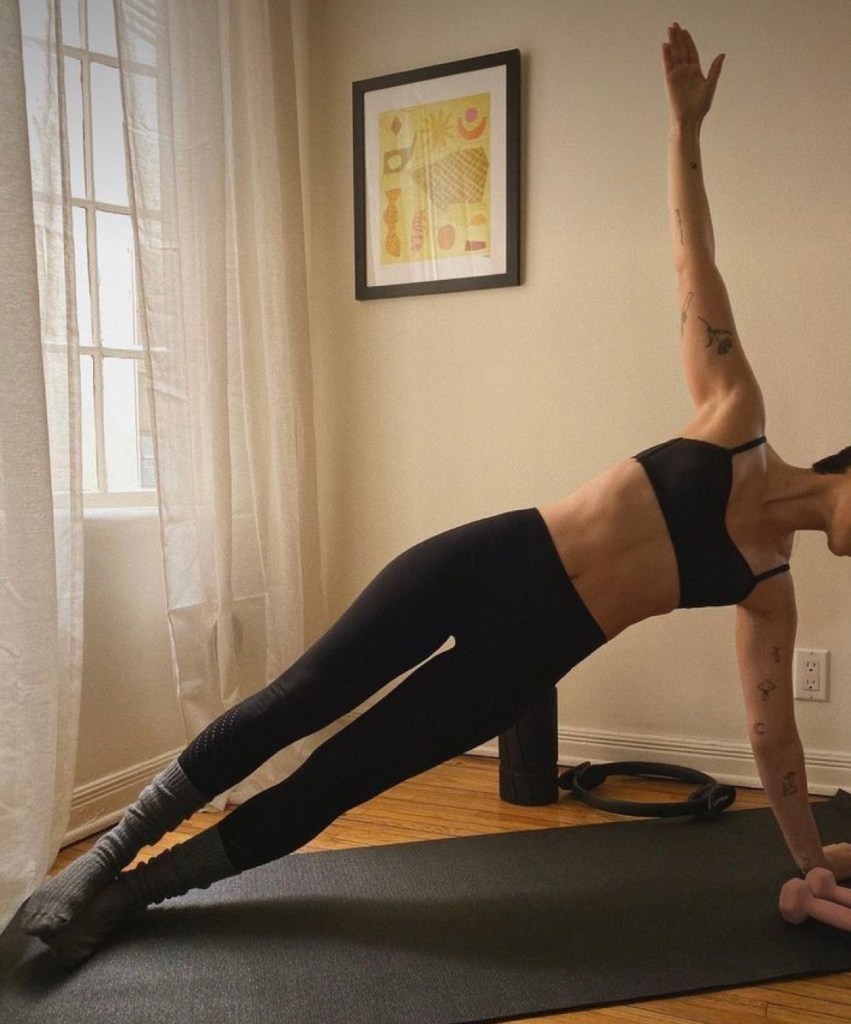
5. Planks (Full Body Weight-Bearing)
• Why to avoid: Holding a static plank position can put a lot of strain on the core, shoulders, and lower back, especially as the body’s center of gravity shifts or if there’s any abdominal separation.
• Modifications:
• Modified planks on the knees or forearms.
• Engage the core more gently in a seated position or side-lying positions.
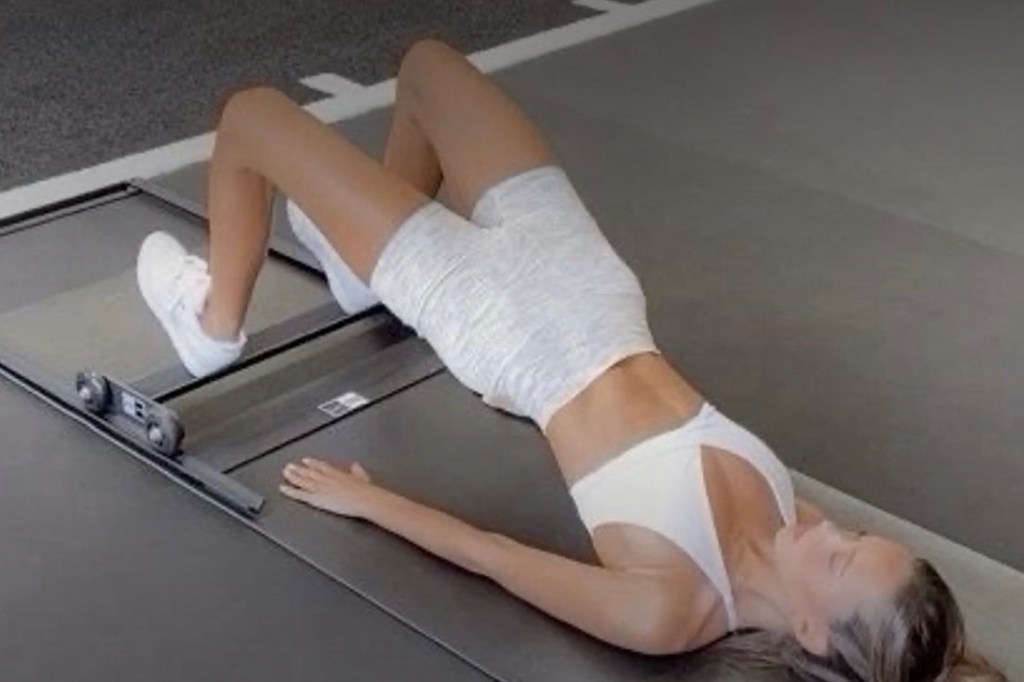
6. Bridge with Both Legs Lifted (After the First Trimester)
• Why to avoid: A traditional bridge, especially when performed after the first trimester, can put pressure on the pelvic floor and vena cava, reducing blood flow to the upper body and brain.
• Modifications:
• Perform bridges with one leg at a time to reduce strain.
• Optionally, try side-lying leg lifts or hip thrusts for similar benefits.
7. Exercises Involving Deep Forward Bends
• Why to avoid: Forward bends place pressure on the lower back and abdomen. They can be uncomfortable, especially as the baby grows (in pregnancy) or if there’s any spinal misalignment.
• Modifications:
• Focus on gentle stretches like hamstring stretches while seated or standing, keeping the knees slightly bent.
• Use props like a chair for support during stretches.

8. Prone Back Extensions
• Why to avoid: Lifting both arms and legs while lying on the stomach can cause significant strain on the lower back and is often uncomfortable for individuals with back pain or during pregnancy.
• Modifications:
• Focus on gentle back extensions using seated or standing positions that target the upper back and spine.
• Opt for cat-cow or child’s pose to mobilize the spine safely.
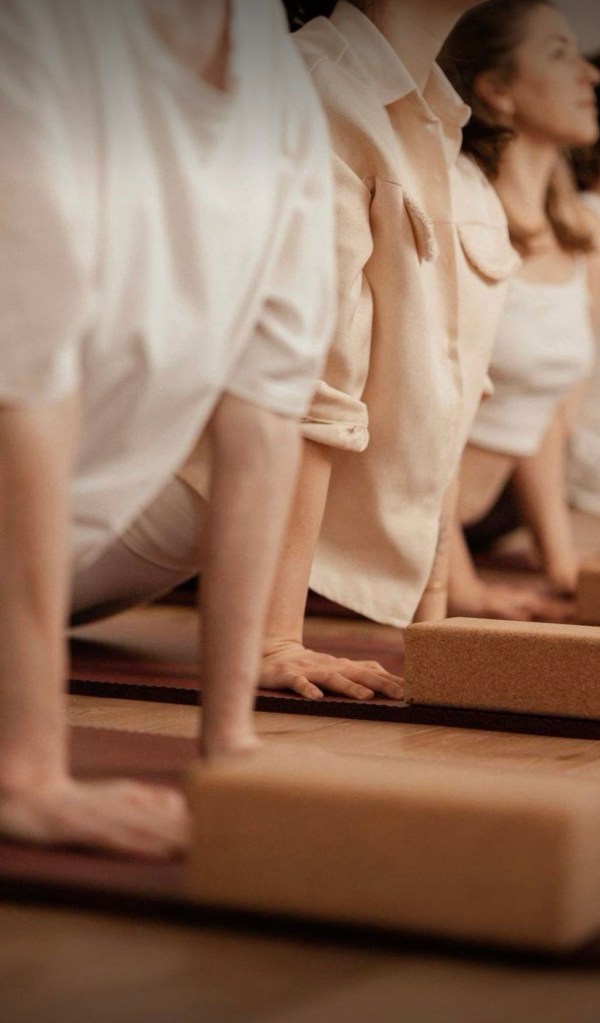
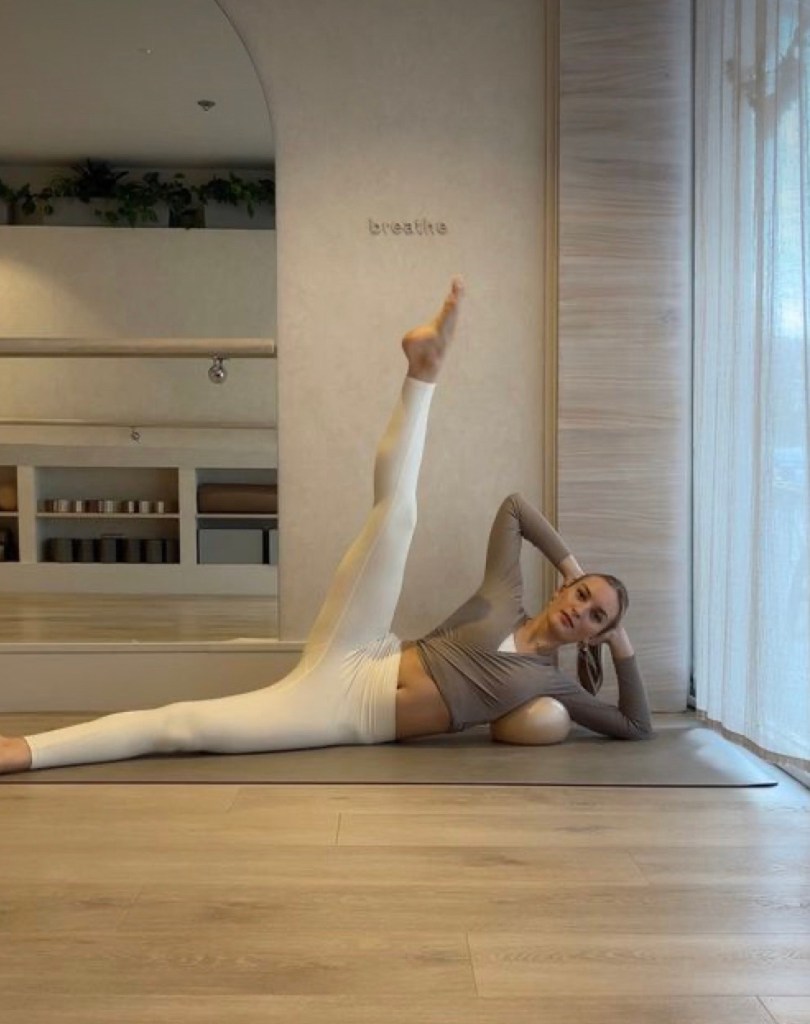
9. Side Leg Circles
• Why to avoid: Leg circles performed while lying on your side can strain the hip flexors, lower back, and pelvic floor, particularly if the pregnancy progresses.
• Modifications:
• Perform gentle leg lifts or side leg raises without excessive rotation.
• If lying on your side is uncomfortable, perform leg exercises while seated or in a side-lying modified plank position.
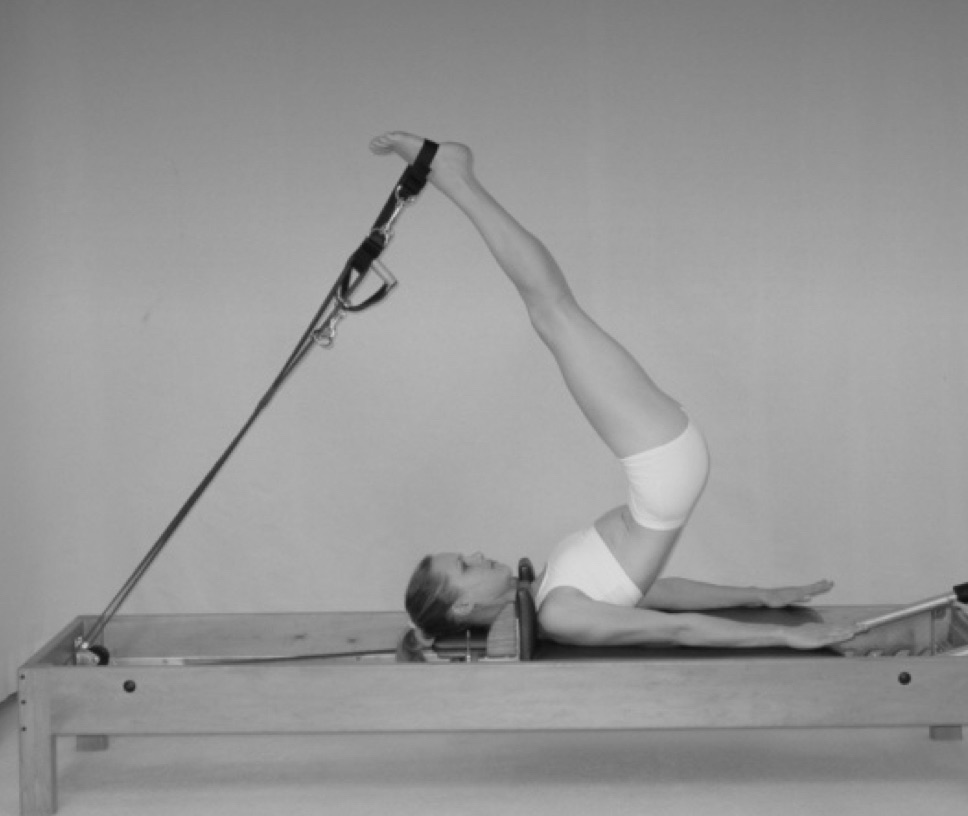
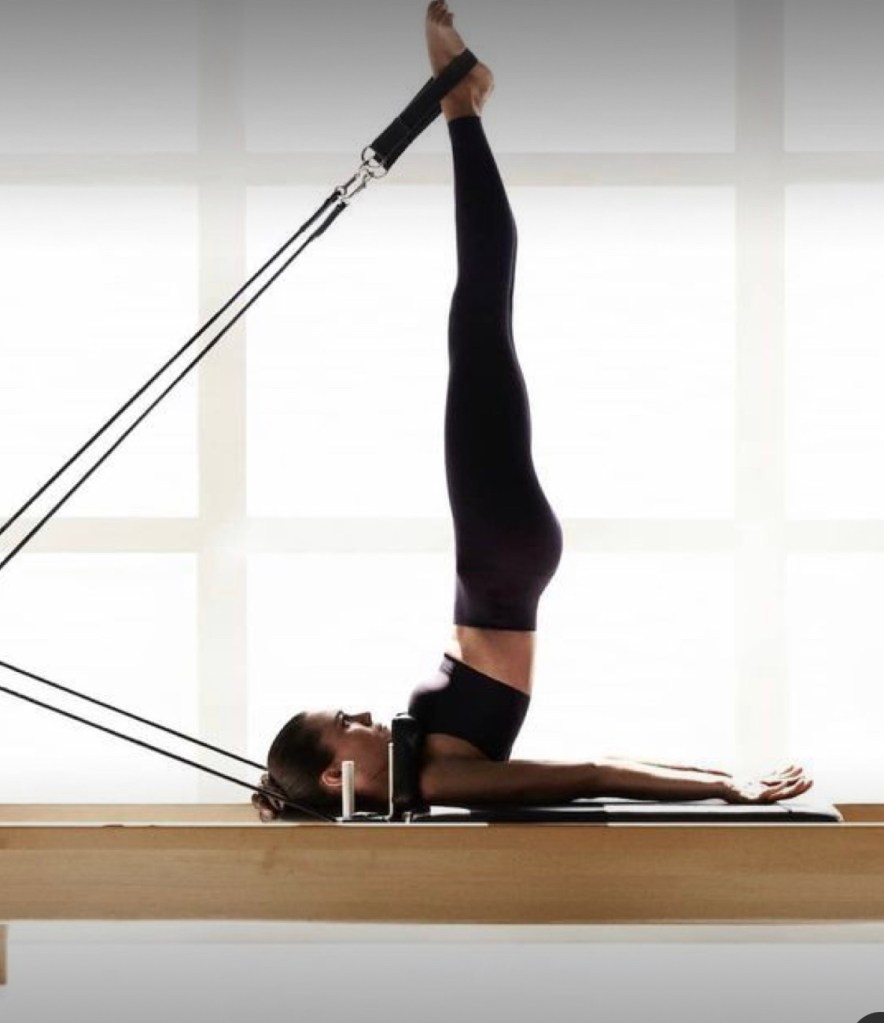
10. Jackknife
• Why to avoid: This exercise, where you lift both legs over the head while lying on your back, can put too much pressure on the lower back and abdominals, especially in the later stages of pregnancy or if there’s core instability.
• Modifications:
• Replace with exercises that engage the core with more controlled motions, such as leg lifts or knee folds in a side-lying position.
11. Corkscrew
• Why to avoid: The Corkscrew requires lifting the legs off the floor and rotating them in circles, which places stress on the lower back, abdominals, and hips.
• Modifications:
• Try gentle leg circles while lying on your side or seated hip rotations.
• Engage the core with gentle spinal mobilizations rather than deep rotations.
General Tips:
1. Focus on Breathing: Ensure you are breathing deeply and evenly throughout the movements, which helps activate the core muscles properly and avoids tension.

2. Controlled Movements: Always prioritize slow, controlled motions to engage the right muscles without causing strain.
3. Avoid Excessive Pressure: Avoid exercises that increase intra-abdominal pressure excessively, as this could lead to problems like pelvic floor dysfunction or diastasis recti.
4. Listen to Your Body: If a movement doesn’t feel right, modify it, or choose an alternative exercise that feels more comfortable.
Safe and Effective Alternatives:
• Side-Lying Leg Lifts and Clamshells for glute and hip strengthening.
• Standing Pilates exercises that focus on stability and balance.
• Pelvic Floor Exercises like Kegels to strengthen the pelvic muscles without pressure.
• Gentle Core Work like cat-cow, pelvic tilts, and seated leg lifts to engage the core safely.
• Standing or Seated Upper Body Work for shoulder and arm toning.

References
1. American College of Obstetricians and Gynecologists (ACOG)
2. American Council on Exercise (ACE) –
3. Pilates Method Alliance (PMA) –
4. “Exercise in Pregnancy” by James F. Clapp III, MD
5. National Institute for Health and Care Excellence (NICE) –
6. “Pilates for Pregnancy” by Sarah K. Duvall
7. American Council on Exercise (ACE) –
8. “The Pilates Body” by Brooke Siler
 Pilates during pregnancy