Pregnancy brings numerous physical and hormonal changes that can lead to discomfort, pain, and other challenges. Pilates, with its emphasis on core strength, flexibility, posture, and controlled breathing, is especially beneficial in addressing several common pregnancy-related issues. Here’s how Pilates helps with some of the key physical changes during pregnancy:

1. Postural Changes and Back Pain
• What Happens: As pregnancy progresses, the growing baby shifts a woman’s center of gravity forward, which can lead to poor posture, increased strain on the lower back, and the development of lower back pain.
• How Pilates Helps: Pilates strengthens the deep abdominal and back muscles, which improves posture and alignment. This support can alleviate back pain by stabilizing the spine and pelvis and reducing pressure on the lower back.
2. Pelvic Floor Weakness
• What Happens: Pregnancy hormones, particularly relaxin, cause the ligaments and muscles in the pelvic area to loosen in preparation for childbirth. This can lead to pelvic floor weakness, which may contribute to urinary incontinence or difficulty with labor.
• How Pilates Helps: Pilates focuses on strengthening the pelvic floor muscles, helping to prevent or reduce pelvic floor dysfunction. A strong pelvic floor also aids in labor and delivery, improving pushing efficiency and recovery postpartum.
3. Core Weakness
• What Happens: As the belly expands, the abdominal muscles stretch, and the rectus abdominis (the “six-pack” muscles) may separate (a condition known as diastasis recti). This leads to a weakened core, which can make everyday activities challenging.
• How Pilates Helps: Pilates strengthens the deep core muscles, including the transverse abdominis and obliques, without putting excessive strain on the belly. It also promotes proper alignment and reduces the risk of diastasis recti by engaging the muscles gently but effectively.

4. Breathing and Stress Relief
• What Happens: Pregnancy can increase physical and emotional stress, leading to tension, anxiety, and difficulty breathing, especially in later stages when the growing uterus restricts lung expansion.
• How Pilates Helps: Pilates emphasizes deep, controlled breathing, which can help manage stress and improve oxygen flow. Practicing deep breathing techniques can also help expectant mothers stay calm and focused during labor.

5. Balance and Stability
• What Happens: As the pregnancy progresses, changes in the body’s center of gravity can lead to balance issues, increasing the risk of falls and making everyday movements more challenging.
• How Pilates Helps: Pilates improves balance by strengthening the stabilizing muscles around the hips, pelvis, and core. The controlled movements and mindful exercises help develop better body awareness and coordination, making it easier to maintain balance as the belly grows.
6. Swelling and Circulation
• What Happens: Pregnancy can cause swelling in the feet, legs, and hands due to increased fluid retention and pressure on the veins. Poor circulation may contribute to these symptoms.
• How Pilates Helps: Pilates improves circulation by promoting gentle, fluid movement and muscle activation. Certain exercises, such as leg lifts and stretches, help relieve swelling and promote better blood flow, reducing the risk of varicose veins and leg cramps.
7. Joint and Ligament Relaxation
• What Happens: The hormone relaxin is produced during pregnancy to help soften the ligaments and joints in preparation for childbirth. While this is essential for labor, it can also increase the risk of joint instability and discomfort.
• How Pilates Helps: Pilates strengthens the muscles around the joints, providing support and stability. It can also help maintain a safe range of motion without overstretching the joints, which can be especially important in the pelvis, hips, and lower back.

8. Improving Flexibility and Mobility
• What Happens: Pregnancy can lead to tightness in the hips, lower back, and shoulders due to weight gain and changes in posture.
• How Pilates Helps: Pilates stretches and strengthens muscles in a balanced way, improving flexibility and mobility. Gentle stretching helps to release tension, increase range of motion, and maintain muscle length throughout pregnancy.
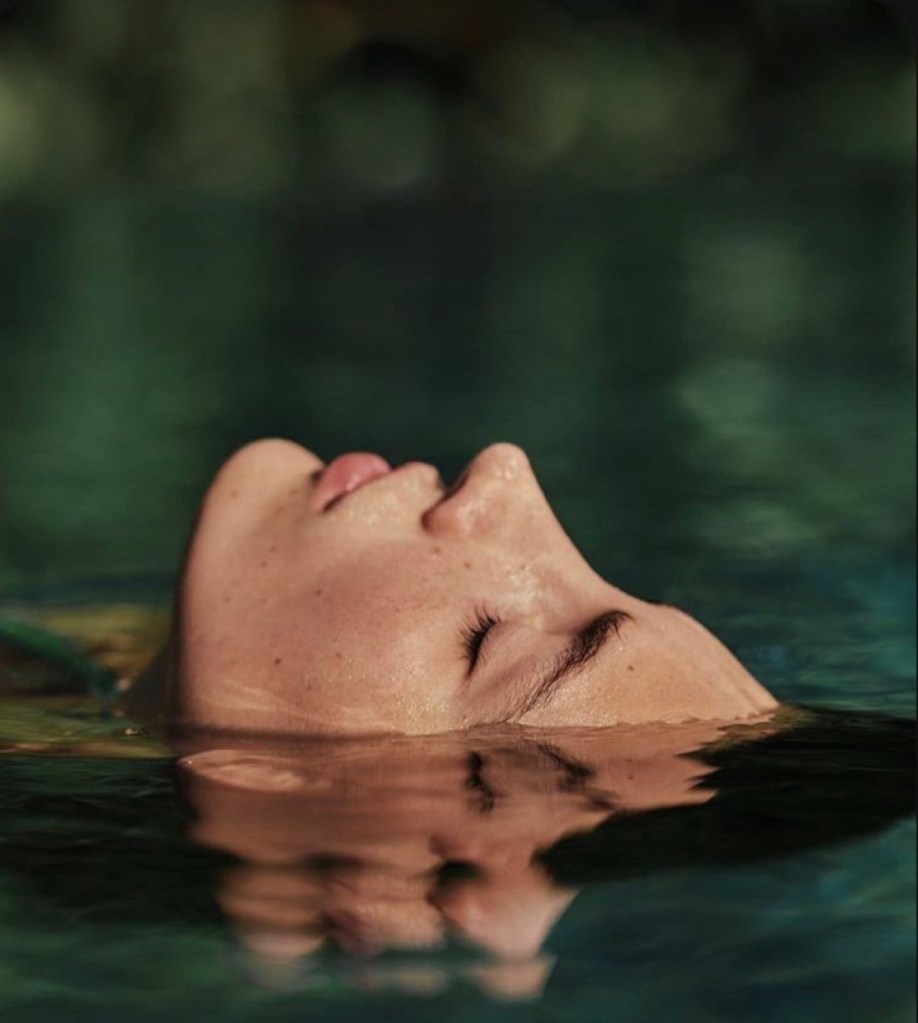
9. Mental Well-Being and Relaxation
• What Happens: The emotional and physical challenges of pregnancy can lead to stress, anxiety, and fatigue.
• How Pilates Helps: Pilates is often practiced in a calm, controlled environment that encourages mindfulness and relaxation. The focus on breathing, movement, and body awareness can reduce anxiety, promote mental clarity, and improve overall emotional well-being.
Pilates offers a holistic approach to supporting the pregnant body by strengthening muscles, improving flexibility, and fostering relaxation. By addressing key physical changes such as back pain, pelvic floor weakness, and postural imbalances, Pilates can help women maintain comfort and function throughout pregnancy. Additionally, its emphasis on breathing techniques and mindful movement can aid in stress reduction and prepare expectant mothers for labor and delivery.
Resources
Here’s a shortened list of resources on the benefits of Pilates during pregnancy:
1. ACOG (American College of Obstetricians and Gynecologists). Exercise During Pregnancy. 2020.
2. Clapp, J. F., & Capeless, E. L. Exercise in Pregnancy: A Clinical Approach. 2nd ed., McGraw-Hill, 2012.
3. Artal, R., & O’Toole, M. “Guidelines for Exercise During Pregnancy.” British Journal of Sports Medicine, 2010.
4. Davenport, M. H., et al. “Exercise in Gestational Diabetes.” Journal of Obstetrics and Gynaecology Canada, 2012.
5. Hegaard, H. K., et al. “Exercise and Gestational Diabetes: A Meta-Analysis.” Acta Obstetricia et Gynecologica Scandinavica, 2011.
6. Mayo Clinic. Exercise During Pregnancy: What’s Safe, What’s Not. mayoclinic.org
7. American Pregnancy Association. Exercise During Pregnancy. americanpregnancy.org
8. U.S. Department of Health and Human Services. Physical Activity Guidelines for Americans, 2nd Edition, 2018.
9. World Health Organization (WHO). Physical Activity and Pregnancy, 2019. who.int
 Pilates during pregnancy